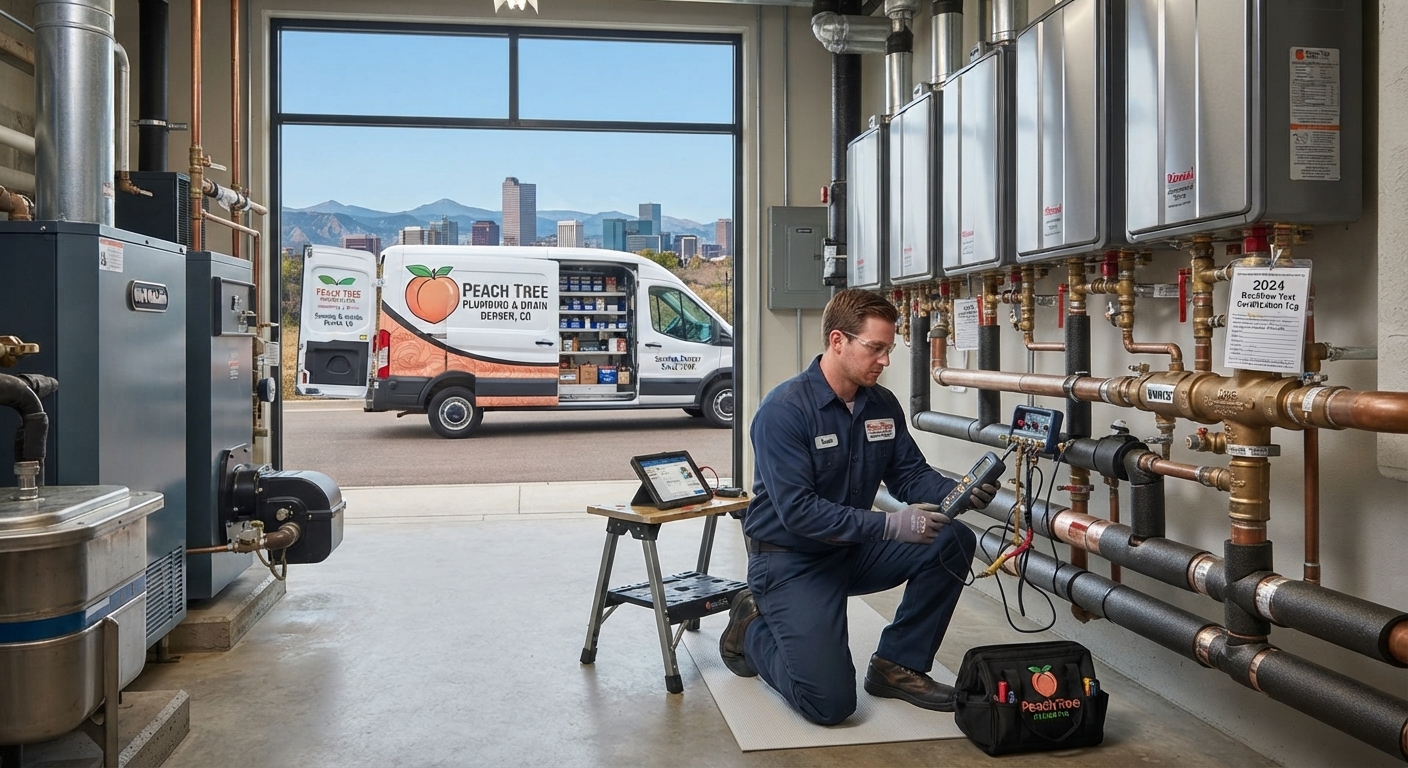
Commercial Plumbing in Denver, CO: Advanced Systems, Backflow Prevention, and Code Compliance
Operating a commercial facility, restaurant, multi-tenant office building, or retail space in Denver requires robust, uninterrupted mechanical infrastructure. Unlike residential plumbing, commercial systems handle high-volume demands, complex multi-story drainage networks, and strict health and safety regulations enforced by the City and County of Denver as well as Metro Water Recovery.
When a commercial plumbing failure occurs, it threatens business continuity, tenant safety, and regulatory compliance. This authoritative guide examines the core pillars of professional commercial plumbing denver co services, detailing specialized systems, preventive maintenance, and why commercial-grade expertise is indispensable.
1. Core Commercial Plumbing Systems
Commercial properties rely on heavy-duty mechanical layouts that operate under continuous stress and high daily output cycles.
Commercial Water Heating and Boiler Systems
- High-Capacity Storage and Manifolds: Commercial facilities—such as hotels, fitness centers, and restaurants—cannot afford drops in water temperature or pressure. Multi-unit tankless rack systems or commercial-grade boiler loops provide redundant, high-BTU output capable of handling simultaneous peak demand.
- Closed-Loop Heating: Commercial boilers distribute hot water or steam across large building radiators or baseboard heating loops, requiring precise pressure regulation and chemical treatment to prevent internal scale corrosion.
Backflow Prevention Assemblies
- Protecting Public Potable Water: Denver Water mandates that all commercial, industrial, and multi-family irrigation or process water systems install and maintain certified backflow prevention assemblies (such as Reduced Pressure Principle devices or Double Check Valve assemblies).
- Annual Testing Mandates: These mechanical valves prevent cross-contamination by stopping non-potable water from reversing flow into the municipal drinking supply. Certified commercial plumbers must test and certify these backflow assemblies annually and file compliance reports with local water authorities.
Grease Traps and Interceptors
- Food Service Protection: Commercial kitchens in Denver are legally required to maintain functioning interior grease traps or exterior gravity grease interceptors. These units capture FOG (Fats, Oils, and Grease) before they enter the municipal sewer main, preventing massive pipe blockages and costly municipal fines.
2. Commercial Emergency Repairs and Infrastructure Protection
Commercial emergencies carry a high financial cost. Burst pipes, main line sewer backups, or failing commercial water heaters require immediate, coordinated intervention.
- Rapid Diagnostic Technology: Commercial plumbers utilize high-definition push cameras, acoustic leak detectors, and digital pressure manometers to pinpoint faults behind concrete slabs or multi-story walls without destructive exploratory demolition.
- Trenchless Pipe Rehabilitation: For aging commercial sewer lines suffering from root intrusion or structural collapse, trenchless pipe lining or pipe bursting allows technicians to rehabilitate underground lines beneath parking lots and walkways without tearing up asphalt.
3. Preventative Maintenance Plans for Denver Businesses
Proactive mechanical care prevents unexpected downtime and extends the lifespan of expensive commercial fixtures.
- Scheduled Hydro Jetting: High-pressure water jetting scours commercial drain and sewer lines clean of grease, scale, and debris, preventing emergency backups during peak business hours.
- Boiler Descaling and Safety Checks: Annual combustion analysis, pressure relief valve testing, and heat exchanger flushes ensure your commercial heating system operates at peak efficiency during harsh Denver winters.
- Fixture and Valve Audits: Routine inspections of commercial flush valves, electronic sensor faucets, and thermostatic mixing valves prevent water waste and scalding liability.