The Master Guide to Hiring a Plumber in Denver, CO: Residential, Commercial & Gas Solutions
When water is running where it shouldn’t—or not running where it should—finding a qualified plumber Denver CO property owners can rely on becomes an immediate priority. Between Denver’s high elevation, mineral-rich hard water, and freezing winter snaps, local plumbing and gas systems endure intense operational stress year-round.
Whether you are dealing with an urgent midnight pipe burst, upgrading your kitchen fixtures, or running new gas lines for a high-efficiency boiler, working with a seasoned professional is the single best investment you can make for your property's safety and long-term value.
1. Navigating Common Plumbing Challenges in Denver, CO
Every neighborhood in the Mile High City—from historic Victorian homes in Capitol Hill to modern commercial complexes in the Denver Tech Center—presents distinct plumbing demands.
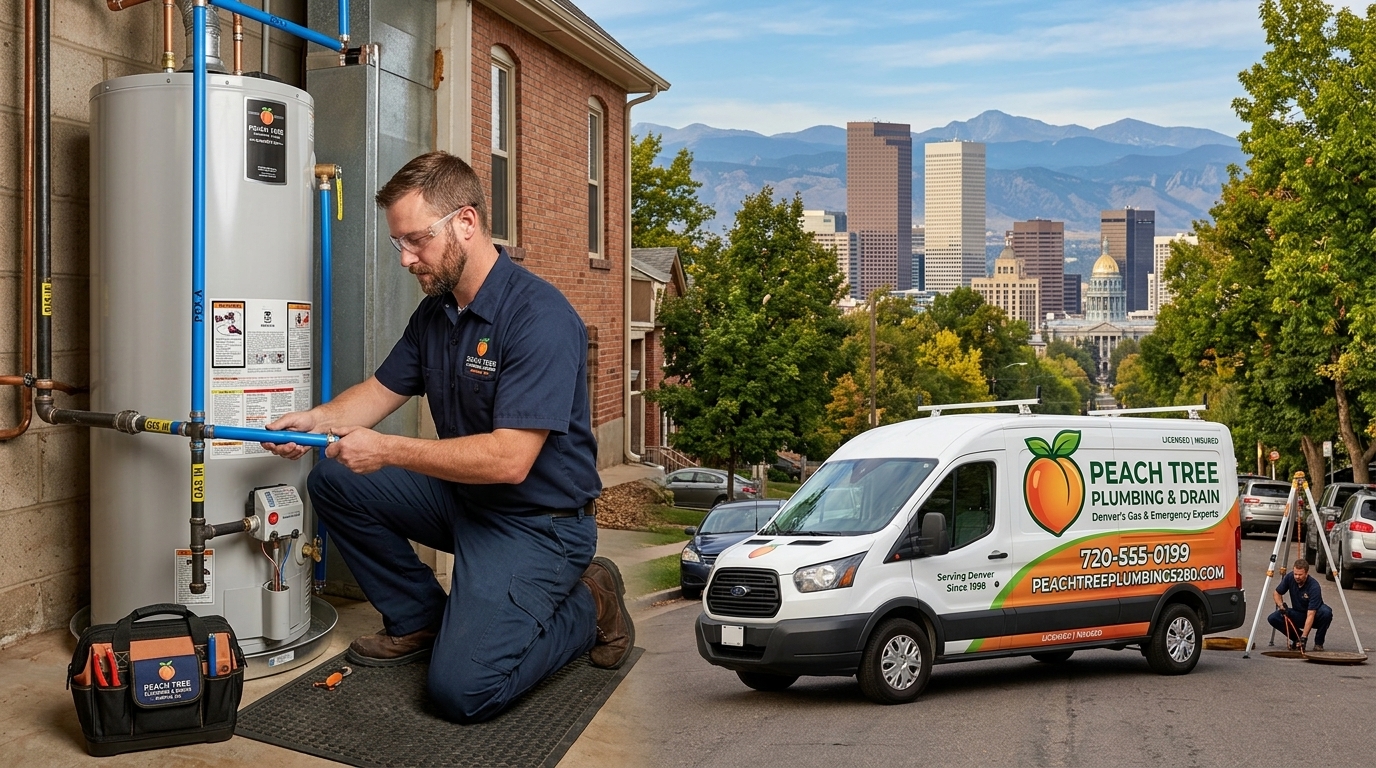
Water Heater Repair Denver CO
hard water creates constant mineral buildup inside gas and electric water heaters. Sediment settles at the bottom of storage tanks, insulating the heating elements and causing rumbling noises, reduced output, and premature tank corrosion. Professional annual flushes and anode rod checks restore efficiency and prevent sudden flooding.
Kitchen & Garbage Disposal Repair Denver CO
The kitchen is the functional heart of any home. Installing a high-end sink, fitting new supply valves, or completing a sink installation Denver CO project requires precision alignment to avoid hidden sub-cabinet leaks. When garbage disposals jam or suffer motor lockouts, having a licensed technician perform garbage disposal repair Denver CO ensures electrical connections and drain seals meet code.
Bathroom Plumbing Services & Upgrades
From luxury tub Denver CO replacements to leak-free toilet installation Denver CO projects, modern bathroom plumbing Denver CO requires exact rough-in measurements and proper drain-waste-venting (DWV). A flawless wax ring seal on a toilet prevents insidious subfloor water damage and sewer gas migration into your home, while custom shower and tub valve rough-ins protect against scalding temperature spikes.
Winter Hazards: Frozen Pipe Repair & Sump Pump Protection
During Colorado's sub-zero winter blasts, uninsulated lines in exterior walls or crawl spaces require immediate frozen pipe repair Denver CO before pressure buildup causes a destructive rupture. As snow melts in the spring, a fully operational sump pump is your property's primary defense against basement flooding; routine sump pump repair Denver CO ensures backup batteries and check valves are ready when torrential storms hit.
2. Gas Fitting: Why Gas Lines Demand a Certified Gas Plumber
A common misconception among homeowners is that plumbing only involves water pipes. In reality, natural gas piping falls directly under the scope of a specialized gas plumber Denver CO.
Gas lines supply fuel to furnaces, boilers, water heaters, kitchen ranges, outdoor patio heaters, and fireplaces. Because natural gas is highly volatile, improper fittings, incorrect pipe sizing, or loose joint compounds pose severe fire and carbon monoxide risks.
- Code Compliance: Gas line installation and repair require precise pressure drop calculations, proper black iron or CSST piping materials, and mandatory pressure testing before municipal inspectors approve gas turn-on.
- Safety First: If you ever smell sulfur or suspect a leak, shut off your main gas valve immediately and contact certified 24 hour plumbers Denver CO who possess the diagnostic manometers and sniffer equipment necessary to isolate and repair fuel gas leaks safely.
3. Commercial Plumbing Solutions in Denver, CO
Managing a business, restaurant, or multi-family housing complex requires a distinct level of mechanical expertise. Commercial Denver CO plumbing involves high-capacity boiler manifolds, multi-unit tankless arrays, grease traps, and certified backflow prevention assemblies.
Commercial outages translate directly to lost revenue and potential health code violations. Partnering with an experienced commercial plumbing team guarantees rapid response times, compliant annual testing, and minimal disruption to your daily business operations.
4. Industry Insights: Materials, Careers, and Digital Search
PEX-A vs. PEX-B: What’s the Difference for Repiping?
When upgrading old galvanised or leaking copper pipes, modern plumbers turn to PEX (cross-linked polyethylene) tubing.
- PEX-A (Engel Method): Highest degree of cross-linking. Highly flexible with shape memory, allowing for expansion fittings (ProPEX) that resist burst damage from freezing water better than any other piping on the market.
- PEX-B (Silane Method): Slightly stiffer material manufactured using chemical catalysts. It utilizes standard crimp or clamp rings. While lower in material cost, it offers less expansion capability in severe freezing conditions.
- The Verdict: Professional plumbers prefer PEX-A for Denver homes because its extreme flexibility and freeze-resistance provide unmatched longevity against Colorado's climate swings.
Is Plumbing a Good Career in Denver?
Absolutely. Plumbing is an exceptionally rewarding, high-demand skilled trade. As Denver continues to grow, licensed journeyworker and master plumbers enjoy job security, high earning potential, and the satisfaction of solving critical infrastructure challenges every single day without the burden of four-year university debt.
Do I Need Plumber Insurance?
Yes—100%. Operating as a professional plumber requires comprehensive general liability insurance, worker's compensation, and state licensing. For homeowners, hiring an insured plumber guarantees that if an unexpected pipe failure or structural issue occurs during a project, your property and finances remain fully protected.